Columbus OVI/DUI Attorney Blog
 I recently had the pleasure of being interviewed by Grant Eagle on his podcast “5 Minute Legal Insights”. It actually lasted for ten minutes, and I was just getting warmed up! We discussed common misconceptions about DUI/OVI stops, arrests, and court cases. You can listen to the podcast here, and you can also find it on Apple Podcasts, Google Podcasts, Spotify and Stitcher.
Podcast Interview: “Key Facts About DUI Revealed In Columbus, OH”


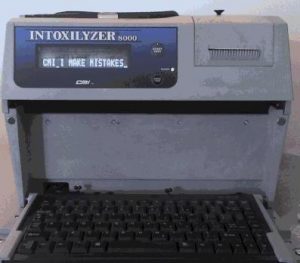 se attorneys and forensic experts have claimed for years breath-testing machines are unreliable. Those claims tend to fall on deaf ears due to the inherent bias of the source: defense attorneys are advocates for clients accused of crimes based on the results of the machines. Recently, however, more objective sources investigated the reliability of alcohol breath testers and concluded they are often unreliable.
 DORA may be coming to a city near you. Not Dora the Explorer with her singing map and backpack. DORA the law which allows cities to have
 How to improve litigation skills which lead to more acquittals (not guilty verdicts) in DUI/OVI cases can be a mystery. That’s why there are organizations like the National College for DUI Defense (
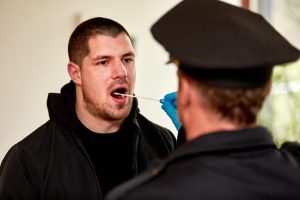 The ever-growing number of states which have legalized either medical marijuana or recreational marijuana has created a number of issues for law enforcement and the justice system. Chief among those issues is the challenge of enforcing laws against operating a vehicle under the influence of marijuana. In an effort to overcome this challenge, the Norwegian company Drauger developed the DrugTest 5000. This system uses a mouth swab, taken roadside, to help determine if a driver is under the influence of marijuana or other drugs. The DrugTest 5000 has been in use in Norway since 2015 and has seen
 Some people can’t resist. After having drinks, they get a craving, and they have to satisfy it. For some, it’s tacos or wings. For others, it’s burgers and fries. It’s typically not broccoli and kale. And then they go to a drive-thru when perhaps they shouldn’t be driving, and they end-up arrested for DUI/OVI. Two recent news-making DUI arrests demonstrate the danger of caving to cravings and driving-thru instead of staying home.