Columbus OVI/DUI Attorney Blog
 We here at the Dominy Law Firm are big fans of the classic game show “Jeopardy”. With the fast-paced trivia challenge and Alex Trebek’s unmatched gravitas, there is little not to like. We are also big fans of the Constitutional protection against Double Jeopardy. This protection is enshrined in the 5th and 14th Amendments to the United States Constitution, as well as Article I, section 10 of the Ohio Constitution. It prevents people from being prosecuted for a crime more than once or being punished multiple times for the same conduct. The protection against double jeopardy occasionally is used as a defense in DUI cases (called ‘OVI’ in Ohio).
This Is (Double) Jeopardy


 There is a difference between what generally ‘makes sense’ and what is sufficient evidence in court. In a recent Ohio DUI/OVI case, the prosecution’s failure to prove all the elements of an offense resulted in one conviction being reversed and probably should have resulted in a second conviction being reversed as well. This case from an Ohio court of appeals also illustrates important lessons for litigating DUI/OVI cases involving drugs.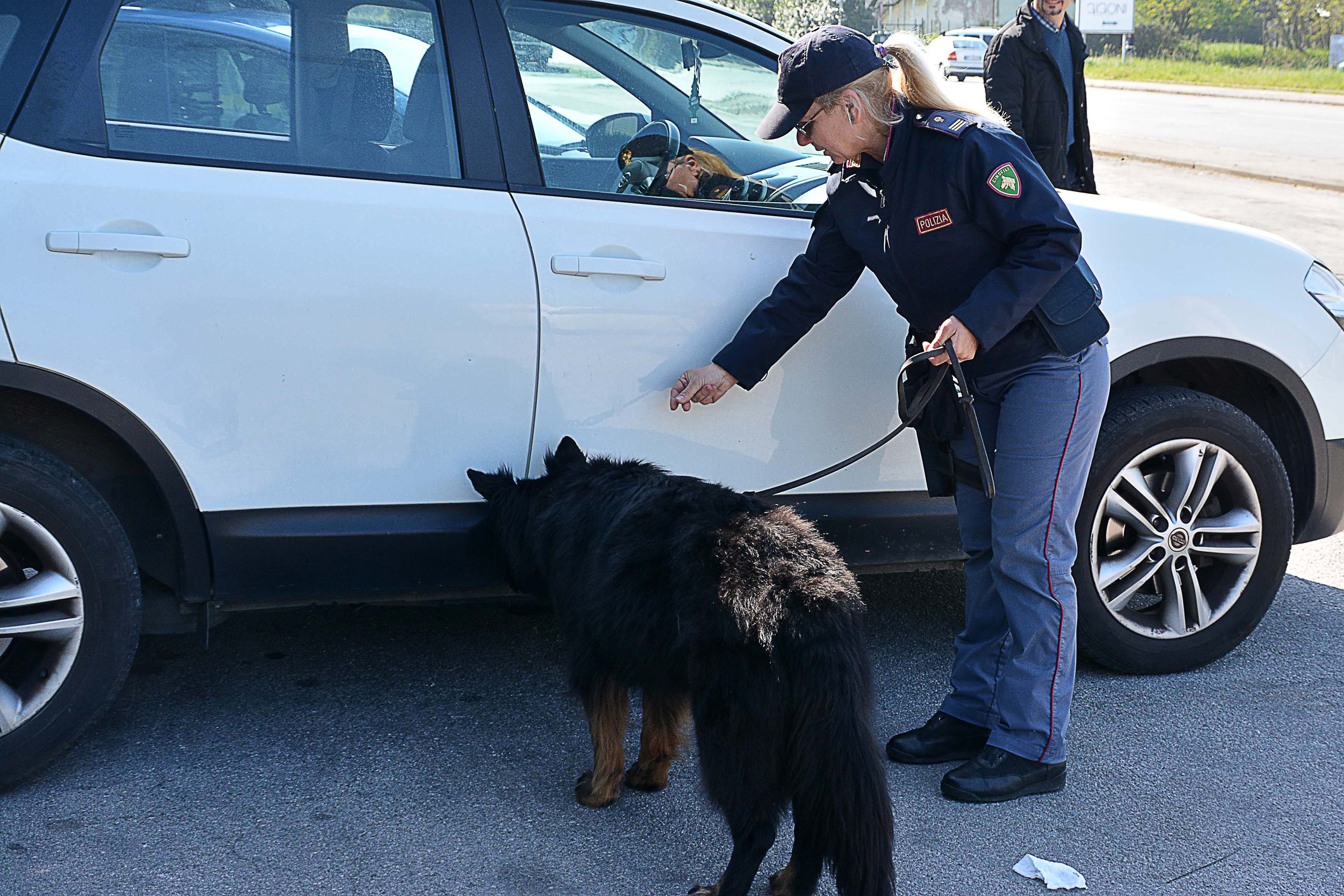

 Technological devices are used to measure both speed and breath alcohol concentration. In court, the results of those devices are introduced to prove defendants are guilty of speeding or DUI (called ‘OVI’ in Ohio). As the government has the burden of proving a defendant’s guilt, one would expect the government would have the obligation to prove the measurement device produced an accurate result. A recent decision of the Ohio Supreme Court permits judges and juries to presume the measurement devices are accurate.
 In Ohio DUI/OVI cases, the prosecution sometimes introduces expert testimony. If a prosecutor intends to do so, the prosecutor must provide the defense attorney with a written report summarizing the expert’s testimony. According to the Ohio discovery rules, the report must be disclosed to defense counsel at least 21 days prior to trial. What happens when the report does not contain all the expert’s testimony or isn’t provided timely? A recent decision from the Ohio Supreme Court answers that question.
 OVI trials sometimes involve testimony from expert witnesses. Those witnesses include pharmacologists who testify about the accuracy of the defendant’s breath test result. A recent decision from an Ohio Court of Appeals demonstrates the importance of assessing the quality of the expert witness report and evaluating the utility of anticipated expert testimony.